How to Start Your Journey With Cosmetic Dentistry Bakersfield CA
A better smile often starts long before any treatment begins. It starts when you notice the way you cover your mouth in photos, or the way you angle your face during conversations. It starts when whitening strips stop giving you the result you want, or when a chipped front tooth keeps drawing your eye in the mirror. For many people, the first step into cosmetic dentistry is not vanity at all. It is relief, confidence, and the desire to feel more at ease in everyday life.
If you are looking into Cosmetic Dentistry Bakersfield CA, the process can feel larger than expected. There are multiple treatment options, wide price ranges, and plenty of marketing language that can make every office sound the same. The good news is that most successful cosmetic dental experiences follow a simple truth: the best results come from clarity, not urgency. When patients understand what bothers them, what is possible, and what trade-offs come with each option, they make stronger decisions and usually end up happier with the result.
Cosmetic dentistry is not one treatment. It is a category that includes whitening, bonding, veneers, clear aligners, enamel reshaping, gum contouring, and cosmetic crowns, among other services. Some cases are straightforward and can be completed quickly. Others need a phased plan because appearance, bite, and long-term durability all affect one another. That is why starting well matters.
Start with what you actually want to change
Many people walk into a cosmetic consultation and say, “I just want a better smile.” That is a normal place to begin, but it is too broad to guide treatment on its own. A dentist can only design the right plan if the concerns become more specific.
Sometimes the real issue is color. Teeth may be healthy and well aligned, but years of coffee, tea, red wine, tobacco, or certain medications have left them darker than the patient likes. In other cases, the issue is shape. One front tooth may look shorter than the other, or the edges may appear uneven from wear. Gaps, crowding, old dental work, receding gums, or a single damaged tooth can each change the whole appearance of a smile.
What surprises many patients is that the cosmetic problem they notice first is not always the one that should be treated first. A person may ask for veneers because their smile looks uneven, but the underlying issue could be tooth grinding that has shortened the edges over time. Another may want whitening, only to learn that the darkest areas are actually old fillings or crowns that will not lighten with bleach. This is why a thoughtful exam matters more than a menu of services.
Before you book an appointment, it helps to spend a few days paying attention to your smile in ordinary settings. Not in one flattering bathroom mirror, but in natural light, in photos, and while speaking. Notice whether your concern is color, spacing, symmetry, gum display, chipped enamel, or old restorations that no longer blend in. The clearer your own observations, the better the consultation tends to go.
Cosmetic goals need a health foundation
Cosmetic work sits on top of oral health. If the foundation is weak, even beautiful dentistry can fail early. That is why a responsible provider will look for decay, gum inflammation, bite problems, worn enamel, clenching habits, and existing restorations before discussing final aesthetics in depth.
This part can feel disappointing to patients who want to jump straight to visible improvements. They may have saved money for veneers or bonding and expect to move quickly. Then they hear that a cavity needs treatment first, or that their gums bleed and need care before impressions can be taken. It may not feel glamorous, but it is exactly the kind of caution that protects your investment.
Healthy gums frame the teeth. Stable enamel supports bonding. A balanced bite reduces the chance that a veneer chips or a cosmetic crown fractures under repeated pressure. toothworksofbakersfield.com Cosmetic Dentistry Bakersfield CA If you have not had a dental exam or professional cleaning recently, that is often the best first appointment to schedule. It creates a baseline and may reveal that some concerns are easier to fix than you thought.
In Bakersfield, this can be especially relevant for patients who have delayed care because of busy schedules, dental anxiety, or past frustration with piecemeal treatment. Starting with a full picture prevents cosmetic dentistry from becoming a series of isolated fixes.
Understand the most common treatment paths
The phrase Cosmetic Dentistry Bakersfield CA covers a wide range of services, and each one solves a different kind of problem. The key is matching the treatment to the goal rather than chasing the most dramatic option by default.
Professional whitening is often the simplest entry point. It works best when the teeth are generally healthy, the main concern is shade, and expectations are realistic. Whitening can brighten natural enamel significantly, but it does not change the color of crowns, veneers, or fillings. It also does not correct shape or position.
Dental bonding is useful for small chips, minor gaps, edge wear, and subtle reshaping. In the right hands, bonding can be beautifully conservative because it usually removes little or no healthy tooth structure. It is often a strong choice for younger patients or for those who want improvement without committing to veneers. The trade-off is that bonding can stain over time and may need maintenance or replacement sooner than porcelain.
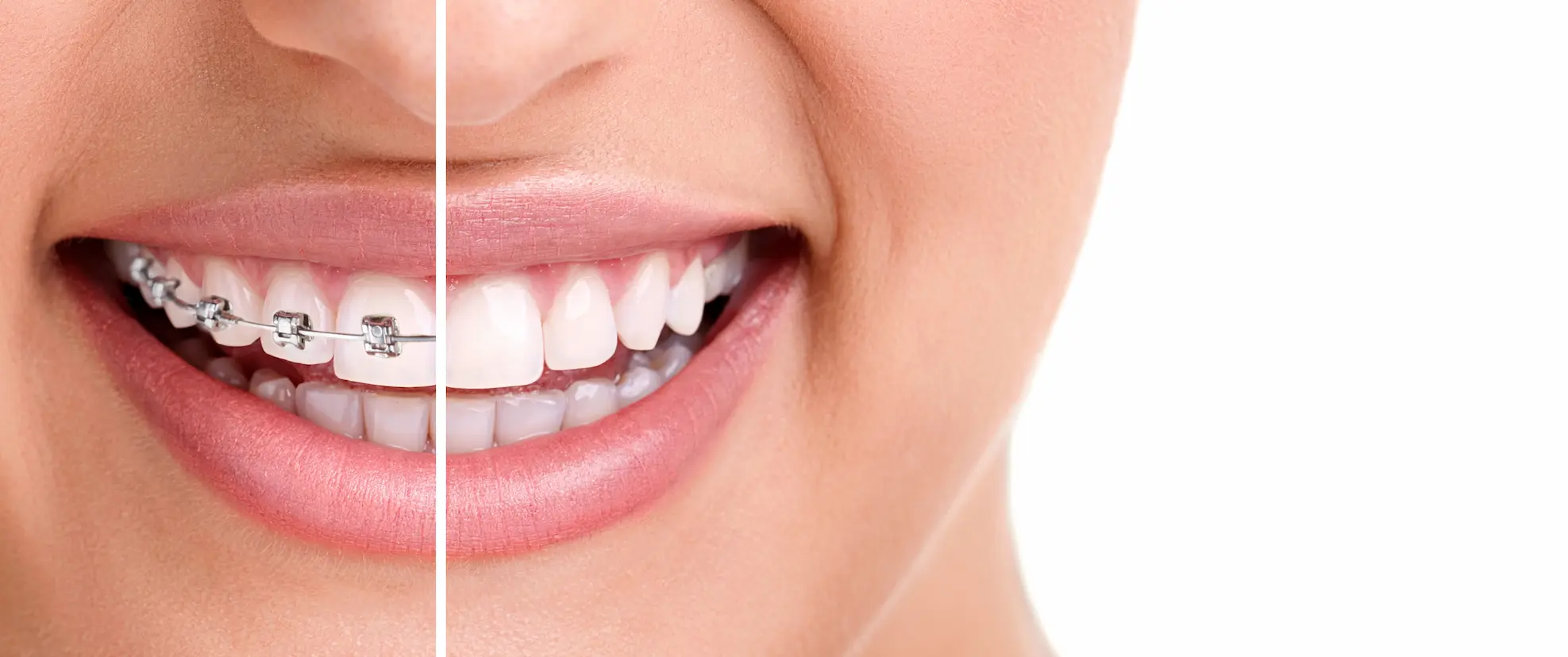
Veneers are often associated with major smile transformations, but they are not a cure-all. They can change color, shape, size, and apparent alignment, and they are excellent for carefully selected cases. Still, veneers require planning. Tooth preparation, material choice, bite design, and long-term maintenance all matter. They are not something to choose because a before-and-after photo looked impressive on social media.
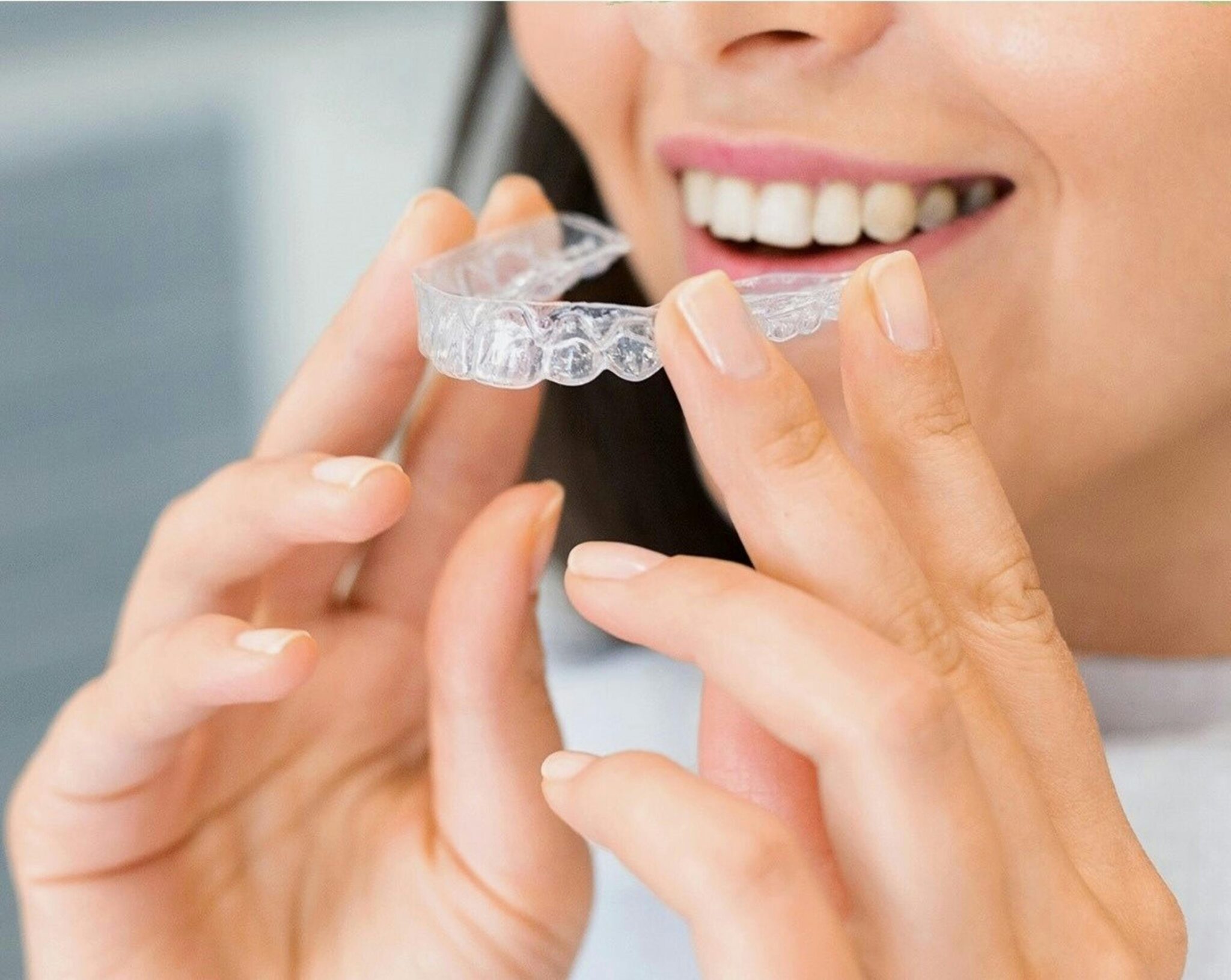
Clear aligners can be cosmetic and functional at the same time. For patients with spacing or mild to moderate crowding, aligners may create a better result than masking misalignment with restorative work. In many cases, moving the teeth first allows a more conservative cosmetic finish afterward, whether that means whitening, contouring, or a small amount of bonding.
Cosmetic crowns have a role when teeth are heavily restored, structurally compromised, or already have large fillings that make veneers impractical. The best crown cases are driven by both appearance and strength. If a tooth needs full coverage anyway, cosmetic planning can ensure that it looks natural and balanced with the surrounding smile.
Choosing the right dentist takes more than reading reviews
Patients often assume that any general dentist who advertises cosmetic services will deliver similar results. That is rarely true. Cosmetic dentistry depends heavily on diagnosis, artistic judgment, communication, and execution. Two dentists can recommend different treatment plans for the same patient, and both may be reasonable, but one may fit your goals better than the other.
Look for a provider who listens carefully before recommending treatment. You want someone who asks what bothers you, how long it has bothered you, what kind of result you hope for, and whether you prefer the most conservative route or the most transformative one. The consultation should feel collaborative, not scripted.
Photos matter. Not stock images, not generic smile graphics, but actual before-and-after cases from the office. When you review cosmetic cases, pay attention to whether the final smiles look believable and individualized. The strongest cosmetic work usually does not shout for attention. It fits the face, age, personality, and natural features of the patient.
Experience matters too, but experience alone is not enough. A dentist may have years in practice and still take a very aggressive approach. Another may be exceptionally skilled at subtle enhancement. Ask how often they perform the procedures you are considering. Ask how they handle complex shade matching. Ask what happens if you are unhappy with the temporary phase or if adjustments are needed after placement.
One practical sign of a careful office is how they handle planning. Good cosmetic work often includes a detailed exam, photographs, digital scans or impressions, discussion of smile design, and in some cases a wax-up or mock-up so the patient can preview shape and proportion before final treatment. That process takes time, and time is usually a good sign.
What to bring into your consultation
The best consultations are specific. If you show up with only a vague sense that you want “something better,” you can still have a useful conversation, but you will get more from the appointment if you come prepared.
- A short list of what bothers you most, such as color, gaps, chips, uneven edges, or old dental work
- A few photos of your smile that you like and dislike, including casual pictures rather than only posed ones
- Your budget range, even if it feels approximate or unfinished
- Your timeline, especially if you have an event like a wedding, reunion, or job transition
- Questions about maintenance, longevity, and what may need replacement in the future
That last point deserves emphasis. Cosmetic dentistry is not just about how things look the day they are delivered. It is also about how they age. Some patients prioritize the brightest possible result. Others care more about low maintenance and natural translucency. Those preferences affect material choices and treatment sequencing.
Money, maintenance, and the part no one likes to talk about
Cost is often the silent factor in cosmetic treatment. Patients may feel uncomfortable raising it early, but it shapes nearly every practical decision. A skilled dentist should be able to discuss costs clearly without reducing the conversation to a sales process.
Prices in cosmetic dentistry vary because the work itself varies. Whitening is relatively accessible. Bonding can be cost-effective for small corrections. Veneers and comprehensive smile design require more planning, laboratory involvement, and clinical time, which usually raises the investment significantly. Clear aligners can also range depending on the complexity and length of treatment.
What matters most is not finding the cheapest route, but understanding the value and expected lifespan of what you are buying. A lower-cost treatment that needs frequent repair or replacement may not be the better deal over time. On the other hand, a more expensive option is not automatically more appropriate. Some patients do better with a conservative phased plan that spreads cost and treatment over time.
Maintenance is part of the budget too. If you grind your teeth, you may need a night guard to protect new cosmetic work. If you whiten, you may need occasional touch-ups. Bonded edges may require polishing or repair. Porcelain restorations may last many years, but they are not immortal, and replacement planning should be part of the initial discussion.
It also helps to know that dental insurance often provides limited support for purely cosmetic procedures. Some parts of a treatment plan may qualify when there is a restorative need, but many aesthetic services remain out-of-pocket. An honest office will explain that distinction clearly.
Why timelines matter more than patients expect
One of the most common mistakes in cosmetic dentistry is waiting too long to start. Someone has a wedding in six weeks, a graduation in one month, or professional headshots in three weeks, and they hope for a dramatic smile upgrade before the event. Sometimes that is possible, especially for whitening or very minor bonding. More often, it creates unnecessary pressure.
Quality cosmetic treatment benefits from breathing room. Whitening may involve sensitivity management. Aligners need time to move teeth safely. Veneers often involve planning, temporaries, lab work, and refinement. Gum tissue may need time to heal before final restorations are made. If a patient wants to compare options or seek a second opinion, a rushed schedule makes that harder.
If you know you have an important date on the horizon, start the conversation early, ideally several months ahead if major changes are involved. That gives both you and the dentist the flexibility to make better decisions. It also reduces the chance of choosing a faster treatment that is less ideal simply because the calendar became the loudest factor.
The emotional side is real, and it belongs in the room
Cosmetic dentistry is clinical, but it is also personal. People often carry years of self-consciousness into that chair. Some have been teased about their teeth since childhood. Some avoided smiling in family photos for a decade. Some had decent teeth once and feel discouraged by age, grinding, staining, or old dental work that now looks patchy.
A good cosmetic consultation makes room for that without turning it into drama. Your dentist does not need your life story, but it helps if they understand how visible or emotionally important the issue feels to you. That context influences treatment planning. A tiny chip that seems trivial to one person may matter deeply to another because it is all they can see.
At the same time, the best dentists help patients keep expectations grounded. Cosmetic dentistry can improve a smile dramatically. It cannot create a perfect face, reverse every effect of age, or guarantee a specific emotional outcome. The healthiest goal is not perfection. It is a smile that looks healthy, natural, and comfortably yours.
When a second opinion makes sense
There are cases where a second opinion is wise, especially if the treatment plan feels aggressive, expensive, or unclear. If one office recommends eight or ten veneers and you expected something much more conservative, it is reasonable to pause. If the explanation focuses more on financing than on diagnosis, pause. If your questions about maintenance and alternatives are brushed aside, definitely pause.
A second opinion is not a sign that you are difficult. It is a normal part of making a significant decision. In fact, many strong clinicians respect patients who want to understand their options before moving forward. If two providers suggest similar approaches for similar reasons, confidence tends to rise. If the recommendations differ sharply, ask each one to explain why.
A practical path forward
Starting your journey with Cosmetic Dentistry Bakersfield CA does not have to be complicated, but it should be deliberate. Most patients do best when they move through the process in a simple sequence rather than trying to solve everything in one emotional decision.
- Get a comprehensive exam and cleaning if you are not current on routine care.
- Identify the two or three smile concerns that matter most to you.
- Schedule a cosmetic consultation with a dentist whose work feels natural and consistent.
- Ask about all reasonable options, including the most conservative one.
- Give yourself time to compare, budget, and plan before committing.
That sequence sounds basic, but it protects you from the most common regrets. It keeps health at the center, lowers the chance of overtreatment, and helps your final result reflect your actual priorities rather than impulse or marketing pressure.
Bakersfield patients often benefit from a local, long-term perspective
There is real value in working with an office that can follow your care over time. Cosmetic dentistry is not always a one-visit event. Even when treatment itself is completed quickly, follow-up matters. Bite checks, polish visits, whitening refreshers, and occasional adjustments all support long-term success.
That is one reason many people prefer a local provider rather than chasing a dramatic smile makeover somewhere far from home. Dentistry is not only about placement day. It is also about how that work behaves after six months, two years, and five years. A nearby office with strong continuity can be an advantage, especially if your plan involves multiple phases.
Local knowledge can help in smaller ways too. Bakersfield patients have the same practical concerns people everywhere do, but scheduling, family demands, commuting patterns, and budget timing all shape how treatment fits into real life. An experienced local team usually understands how to stage care in a way that feels workable.
The best cosmetic work rarely looks “done”
There is a reason the most admired cosmetic dentistry often goes unnoticed. It does not look fake, bulky, flat, or overly opaque. It looks like the patient was lucky enough to have naturally attractive teeth. That is the standard worth aiming for.
If you are beginning this process, trust your instincts about what feels authentic. You do not need the brightest smile in the room. You need one that fits your face, functions well, and lets you stop thinking about your teeth so much. For some people, that comes from whitening and a touch of bonding. For others, it comes from aligners followed by selective reshaping. For a smaller group, comprehensive veneer or crown work is the right answer.
The starting point is not the procedure. It is the conversation. Once that conversation is honest, specific, and grounded in good diagnosis, everything else gets easier. That is how a cosmetic dentistry journey should begin, with a clear understanding of where you are, what you want, and what it will take to get there well.
Toothworks of Bakersfield, Dentist and Orthodontist
Address: 1030 H St #1, Bakersfield, CA 93304
Phone number: +16613239421
FAQ About Cosmetic Dentistry Bakersfield CA
What is considered cosmetic dentistry?
Cosmetic dentistry includes any dental treatment focused primarily on improving the appearance of your teeth, gums, or bite rather than treating a disease or restoring basic function.
How much does cosmetic dentistry usually cost?
The cost of cosmetic dentistry typically ranges from a few hundred dollars for minor touch-ups to over $20,000 for a comprehensive smile makeover, depending entirely on the specific procedure, materials used, and how many teeth are treated. Because most cosmetic treatments are elective, they are usually paid out of pocket without insurance coverage.
Is there a difference between a regular dentist and a cosmetic dentist?
Yes, a regular dentist focuses on your overall oral health and preventing disease, while a cosmetic dentist focuses on improving the look of your smile.